
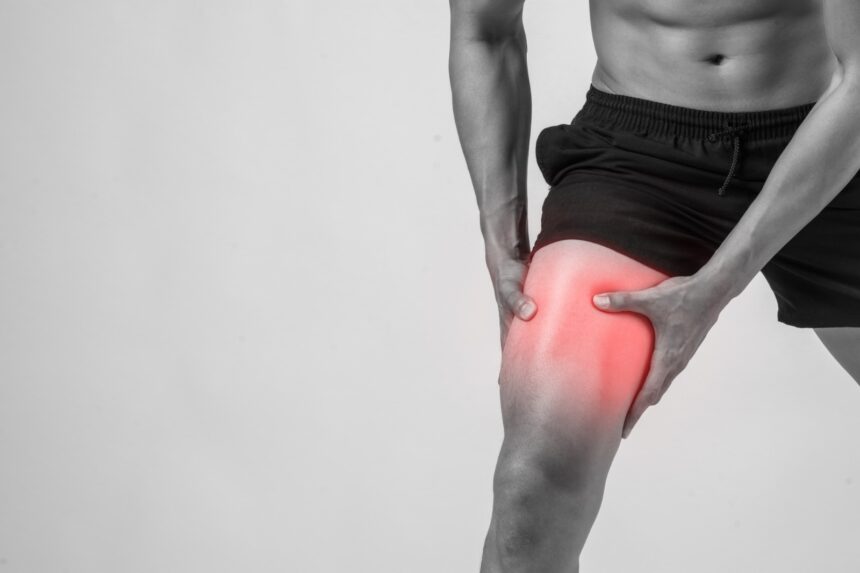
Feeling sore after workouts is common—especially if you’re just starting out or trying new exercises. That tight, aching feeling in your muscles can make everyday movement uncomfortable and leave you wondering if something went wrong.
In most cases, the answer is no. Sore after workouts usually happens because of DOMS, or delayed onset muscle soreness. This is a normal response when your muscles are challenged in a new or more intense way.
The good news is that this kind of soreness does not always mean you are doing something wrong. More often, it is a sign that your body is adapting to physical stress and recovering from exercise.
By understanding why you feel sore after workouts, you can learn how to manage discomfort, recover more effectively, and keep training without letting soreness slow your progress.
The Basics (Beginner Explanation)
DOMS is the normal muscle soreness you feel 24–72 hours after a workout.
It occurs because your muscles experience small microtears during exercise, especially from:
- New movements
- High-intensity sessions
- Eccentric exercises (lengthening muscles under tension, like lowering a dumbbell)
Key terms:
- Microtears: Tiny damage in muscle fibers caused by training.
- Eccentric movement: Muscle lengthens under tension (e.g., lowering a push-up).
- Recovery: Time for muscles to repair and grow stronger.
DOMS is a natural part of progress, not a sign that you’re hurting your body.
Quick Takeaway
- DOMS is common and usually harmless.
- New exercises or intensity increase soreness.
- Microtears repair muscles and build strength.
- Recovery is essential to improve performance.
Why This Matters (Performance, Safety, Longevity)
Persistent soreness affects your training and daily life. Understanding it helps you stay consistent.
- Prevents overtraining
Severe soreness can reduce your performance and increase injury risk. - Supports muscle growth
Microtears from DOMS repair stronger muscles. - Improves workout planning
Knowing when soreness peaks helps schedule recovery or alternate muscle groups. - Maintains motivation
Understanding DOMS reassures beginners that soreness is normal.
Quick Takeaway
- DOMS is part of building strength.
- Monitoring soreness prevents overtraining.
- Proper recovery improves consistency.
- Knowledge reduces frustration.
How to Reduce Soreness Safely
Warm-Up Before Exercise
What it helps with:
Prepares muscles and joints, reducing microtears.
How to do it:
- Start with light cardio for 3–5 minutes.
- Include dynamic stretches for your workout muscles.
- Gradually increase intensity before heavy sets.
Quick Takeaway:
Warming up reduces extreme soreness and improves performance.
Gradual Progression
What it helps with:
Prevents excessive microtears by increasing intensity slowly.
How to do it:
- Increase weight, reps, or duration gradually (5–10% per week).
- Introduce new exercises one at a time.
- Avoid jumping from very easy to very hard sessions.
Quick Takeaway:
Small, steady increases reduce soreness and lower injury risk.
Cool-Down and Stretching
What it helps with:
Supports recovery and reduces stiffness.
How to do it:
- Walk or cycle lightly for 3–5 minutes after training.
- Stretch muscles worked with gentle static stretches.
- Hold each stretch for 20–30 seconds.
Quick Takeaway:
Cooling down aids circulation and eases DOMS.
Hydration and Nutrition
What it helps with:
Supplies muscles with nutrients needed for repair.
How to do it:
- Drink water before, during, and after workouts.
- Eat protein-rich meals within 1–2 hours post-workout.
- Include carbs to replenish energy.
Quick Takeaway:
Proper hydration and nutrition speed up recovery and reduce soreness.
Active Recovery
What it helps with:
Keeps blood flowing to sore muscles, promoting healing.
How to do it:
- Light activity like walking, swimming, or cycling on rest days.
- Gentle mobility exercises for tight areas.
- Avoid heavy lifting on very sore days.
Quick Takeaway:
Active recovery helps muscles repair faster and keeps you moving.
Quick Takeaway Box
- Warm up and cool down.
- Progress slowly in weight or intensity.
- Stay hydrated and eat protein.
- Use active recovery to reduce stiffness.
Level Guide for Managing Soreness
Beginner
- Focus: Simple workouts and gradual intensity.
- Avoid: Overdoing new exercises.
- Progress safely: Use lighter weights and fewer reps when starting.
Intermediate
- Focus: Alternate muscle groups to allow recovery.
- Avoid: Ignoring lingering soreness.
- Progress safely: Track soreness and adjust workouts accordingly.
Advanced
- Focus: Train harder while monitoring recovery.
- Avoid: Skipping active recovery days.
- Progress safely: Plan training cycles with built-in recovery.
Sample Soreness-Management Workout Plan
Beginner Home Routine (2–3 days/week)
- Bodyweight squats: 3×10
- Push-ups: 3×8
- Plank: 3×20 sec
- Light stretching: 5 min
Why it works:
Short sessions with rest days prevent severe DOMS and build strength safely.
Intermediate Gym Routine (3–4 days/week)
- Squats: 3×8
- Bench press: 3×8
- Rows: 3×10
- Mobility drills: 10 min
Why it works:
Balanced workouts with rest or active recovery reduce soreness while progressing strength.
Martial Arts Recovery Routine
- Jump rope: 3 min
- Shadowboxing: 2 rounds
- Bodyweight mobility: 10 min
- Stretching: 5 min
Why it works:
Combines skill, movement, and recovery to keep soreness manageable.
Safety & Injury Prevention
- Sharp or joint pain: Stop immediately; don’t push through it.
- Severe swelling or bruising: Seek professional advice.
- Extreme fatigue: Allow extra recovery days.
How to modify safely
- Reduce weight or intensity.
- Perform fewer sets or reps.
- Use slower, controlled movements.
Common Mistakes & Misconceptions
- “Soreness means a good workout”
It can indicate progress, but pain doesn’t equal effectiveness. - “I should avoid sore muscles”
Light activity and stretching are safe and beneficial. - “More soreness = more gains”
Excessive soreness can hinder performance and recovery.
Mindset & Long-Term Progress
- Accept mild soreness as part of growth.
- Track your recovery to plan training effectively.
- Focus on consistent, progressive workouts over “pain equals progress.”
Conclusion
Muscle soreness after workouts is normal, especially for beginners or when trying new exercises.
Understanding DOMS and managing recovery ensures you can train consistently without setbacks.
Next Steps
- Warm up and cool down in every session.
- Progress gradually in intensity.
- Use nutrition, hydration, and active recovery to support muscles.
Train smart, recover well, and soreness won’t stop your progress.
FAQ
1. How long does DOMS last?
Usually 24–72 hours depending on workout intensity.
2. Can I train if I’m sore?
Yes, light or different muscle groups are safe.
3. How do I prevent DOMS?
Warm up, progress gradually, and recover properly.
4. Does stretching prevent soreness?
Stretching helps mobility but won’t fully prevent DOMS.
5. Is soreness necessary for muscle growth?
Not required; microtears help growth, but extreme soreness isn’t needed.
6. Should I take painkillers for soreness?
Only if discomfort is severe; otherwise, rest and recovery are best.
7. Can beginners avoid soreness completely?
Some mild soreness is normal, but gradual progression reduces severity.