
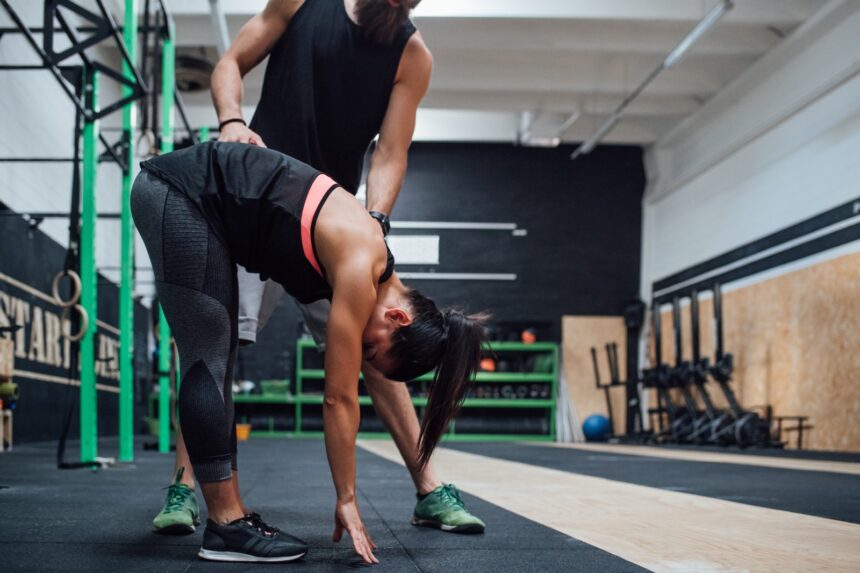
You’re working out consistently.
You’re putting in effort.
But your strength isn’t improving, your muscles don’t feel right, or something just feels… off.
This is where many people get stuck—and most don’t realize the real problem:
Your form is holding you back.
Good form (how you perform an exercise) is the foundation of effective training. Without it, you can train harder and still see worse results.
The good news: this is fixable.
By the end of this guide, you’ll understand what proper form is, why it matters, and how to correct it so your workouts actually work.
The Basics (Beginner Explanation)
Form is how your body moves during an exercise.
It includes:
- Your posture
- Your joint position
- Your movement path
In simple terms: it’s how you do the exercise, not just what exercise you do.
Key terms explained simply:
- Range of motion: How far your body moves during an exercise.
- Alignment: Keeping joints in safe, stable positions.
- Control: Moving with intention instead of momentum.
In real life:
- Good form → muscles do the work
- Bad form → other muscles compensate, or joints take stress
Quick Takeaway
- Form is how you perform each movement.
- Good form targets the right muscles.
- Bad form shifts stress to joints.
- Control matters more than speed.
Why This Matters (Performance, Safety, Longevity)
Form isn’t just about looking correct—it directly affects your results.
- Limits strength gains
If the wrong muscles take over, the target muscles don’t get stronger. - Increases injury risk
Poor alignment puts stress on joints instead of muscles. - Reduces muscle activation
You might be doing the exercise, but not actually training the right area. - Creates bad habits
The longer you train with poor form, the harder it is to fix. - Slows long-term progress
You may plateau early even with consistent effort.
Quick Takeaway
- Bad form reduces effectiveness.
- It increases risk of pain or injury.
- It slows progress over time.
- Fixing form improves everything.
Exercises / Methods / Techniques
Below are key movements where form commonly breaks down—and how to fix them.
Bodyweight Squat
What it helps with:
Builds lower body strength and overall movement quality.
What you’ll feel working:
Thighs, hips, and glutes.
How to do it:
- Stand with feet shoulder-width apart.
- Keep your chest upright.
- Push your hips back slightly.
- Bend your knees and lower down.
- Keep your heels on the ground.
- Lower to a comfortable depth.
- Pause briefly.
- Push through your heels to stand up.
Breathing:
Inhale as you go down, exhale as you stand up.
Common mistakes (with fixes):
- Knees collapsing inward → Push your knees slightly outward.
- Heels lifting → Keep your weight on your heels.
- Leaning too far forward → Keep your chest upright.
- Going too fast → Slow down to stay in control.
Make it easier (beginner option):
- Use a chair for support.
- Reduce depth.
Make it harder (progression):
- Add weight.
- Slow the tempo.
Best for:
All levels; foundational movement for strength and mobility.
Push-Up
What it helps with:
Builds upper body strength and core stability.
What you’ll feel working:
Chest, shoulders, arms, and core.
How to do it:
- Place hands slightly wider than shoulder-width.
- Keep your body in a straight line.
- Engage your core.
- Lower your chest toward the floor.
- Keep elbows slightly tucked.
- Lower fully with control.
- Push back up to starting position.
Breathing:
Inhale on the way down, exhale as you push up.
Common mistakes (with fixes):
- Hips sagging → Tighten your core.
- Elbows flaring out → Keep them closer to your body.
- Partial reps → Lower fully.
- Head dropping → Keep neck neutral.
Make it easier (beginner option):
- Knee push-ups.
- Incline push-ups.
Make it harder (progression):
- Decline push-ups.
- Add pauses.
Best for:
All levels; highly scalable.
Quick Takeaway
- Focus on control, not speed.
- Keep alignment consistent.
- Use easier variations if needed.
- Progress only when form is solid.
Dumbbell Row
What it helps with:
Improves upper back strength and posture.
What you’ll feel working:
Back muscles and arms.
How to do it:
- Hold a dumbbell in one hand.
- Support your body with the other hand on a bench.
- Keep your back flat.
- Pull the weight toward your torso.
- Keep your elbow close to your body.
- Pause briefly at the top.
- Lower slowly with control.
Breathing:
Exhale when pulling, inhale when lowering.
Common mistakes (with fixes):
- Rounding your back → Keep your spine neutral.
- Using momentum → Slow the movement.
- Pulling too high → Stop at torso level.
Make it easier (beginner option):
- Use lighter weight.
- Reduce reps.
Make it harder (progression):
- Increase weight.
- Slow tempo.
Best for:
All levels; improves posture and pulling strength.
Plank
What it helps with:
Builds core stability and control.
What you’ll feel working:
Core muscles and shoulders.
How to do it:
- Place forearms on the ground.
- Extend your legs behind you.
- Keep your body in a straight line.
- Engage your core.
- Hold the position.
- Maintain steady breathing.
Breathing:
Breathe slowly and consistently.
Common mistakes (with fixes):
- Hips dropping → Tighten your core.
- Hips too high → Keep body straight.
- Holding breath → Maintain steady breathing.
Make it easier (beginner option):
- Drop knees to the ground.
- Shorten hold time.
Make it harder (progression):
- Extend hold time.
- Add movement (shoulder taps).
Best for:
All levels; essential for stability.
Quick Takeaway
- Good form builds strength safely.
- Core stability supports all movements.
- Control each rep.
- Fix mistakes early.
Level Guide
Beginner
- Focus on mastering basic movements
Learn proper form before increasing intensity. - Avoid rushing progress
Speed leads to poor technique. - Progress safely
Use lighter loads and controlled reps.
Intermediate
- Refine technique under load
Maintain form even with heavier weights. - Avoid ego lifting
Don’t sacrifice form for heavier weight. - Progress safely
Increase difficulty gradually.
Advanced
- Maintain form at high intensity
Quality still matters at advanced levels. - Avoid fatigue breakdown
Stop when form starts to fail. - Progress safely
Use structured programming.
Done-for-You Workouts
Home Workout
- Squats: 3×10
- Push-ups: 3×10
- Plank: 3×30 sec
This plan focuses on mastering form with simple movements. Train 2–3 times per week.
Gym Workout
- Squats: 3×8
- Rows: 3×10
- Bench press: 3×8
This routine allows you to practice form under moderate load. Train 3–4 times per week.
Martial Arts-Focused Workout
- Bodyweight circuit
- Core training
- Mobility work
This supports performance while reinforcing good movement patterns.
Safety & Injury Prevention
- Sharp pain during movement
Stop immediately; this is not normal soreness. - Loss of control
Indicates fatigue—end the set. - Joint discomfort
Adjust form or reduce load.
How to modify safely
- Reduce weight.
- Shorten range of motion temporarily.
- Use slower tempo.
When to rest or seek help
If pain persists or worsens, consult a professional.
Common Mistakes & Misconceptions
- “Heavier weight means better progress”
This happens due to ego; correct by prioritizing form first. - “Speed equals intensity”
Fast reps reduce control; slow down. - Ignoring technique
Many focus only on reps; instead, focus on quality.
Mindset & Long-Term Progress
Fixing your form might feel slower at first.
But it builds a stronger foundation.
Better form means better results—with less risk.
Conclusion
If your progress has stalled, your form may be the reason.
Good form improves strength, reduces injury risk, and makes every rep count.
Next Steps
- Slow down your movements and focus on control.
- Use lighter weight if needed.
- Practice proper technique consistently.
Train with intention, and your results will follow.
FAQ
1. How do I know if my form is bad?
If you feel pain in joints or not in target muscles.
2. Should I reduce weight to fix form?
Yes, lighter weight helps you relearn proper movement.
3. Can bad form cause injury?
Yes, especially over time.
4. How long does it take to fix form?
A few weeks with consistent focus.
5. Should beginners focus on form first?
Yes, always.
6. Can I still progress with imperfect form?
Only to a point; it will limit you.
7. Is perfect form required?
No, but safe and controlled form is essential.