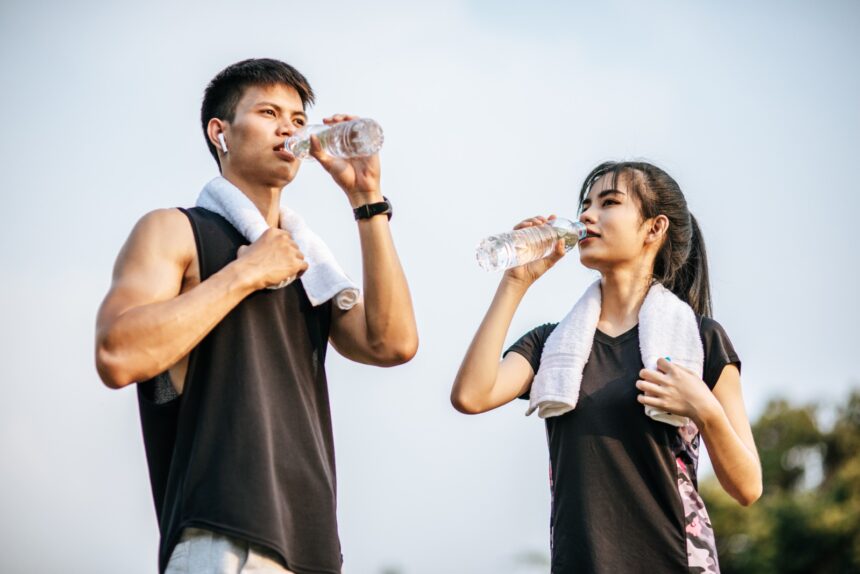
You start working out, you sweat more, and then the question comes up:
how much water should you drink when exercising
Some people drink too little and feel dizzy or weak. Others drink too much and feel bloated or uncomfortable.
Both can hurt your performance.
By the end of this guide, you’ll know exactly how much water to drink before, during, and after exercise—and how to adjust it based on your body and workout.
The Basics (Beginner Explanation)
Water plays a simple but critical role during exercise.
It helps regulate body temperature, supports muscle function, and keeps your energy stable.
When you exercise, you lose water through sweat. If you don’t replace it, your body becomes dehydrated.
Key terms explained simply:
- Hydration: Having enough water in your body to function properly.
- Dehydration: Losing more fluid than you take in.
- Electrolytes: Minerals like sodium that help balance fluids and muscle function.
In real life:
- Light workouts → less water loss
- Intense or long workouts → more sweat → more water needed
Quick Takeaway
- Water supports performance and safety.
- You lose water through sweat.
- Dehydration reduces strength and focus.
- Needs vary based on intensity and environment.
Why This Matters (Performance, Safety, Longevity)
Hydration directly affects how well you train.
- Maintains performance
Even mild dehydration can reduce strength and endurance. - Prevents dizziness and fatigue
Low fluid levels affect blood flow and energy. - Supports muscle function
Muscles need proper hydration to contract effectively. - Regulates body temperature
Sweating cools your body, but requires fluid replacement. - Reduces risk of cramps
Fluid and electrolyte balance help prevent muscle issues.
Quick Takeaway
- Dehydration reduces performance quickly.
- Water supports strength, endurance, and focus.
- Proper hydration improves safety.
- Small losses in fluid can have big effects.
How Much Water Should You Drink When Exercising?
Let’s make this practical.
Before Exercise
What it helps with:
Prepares your body so you start hydrated.
How to do it:
- Drink 400–600 ml of water 1–2 hours before exercise.
- Sip small amounts if you still feel thirsty.
- Avoid drinking too much at once.
Why it matters:
Starting dehydrated makes workouts harder from the beginning.
During Exercise
What it helps with:
Maintains hydration and performance.
How to do it:
- Take small sips every 10–20 minutes.
- Aim for about 150–250 ml per interval.
- Adjust based on sweat level and intensity.
Why it matters:
You replace fluid as you lose it, preventing performance drops.
After Exercise
What it helps with:
Replenishes lost fluids and supports recovery.
How to do it:
- Drink 500–750 ml after your workout.
- Drink more if you sweat heavily.
- Continue hydrating throughout the day.
Why it matters:
Recovery depends on restoring fluid balance.
Quick Takeaway
- Drink before, during, and after workouts.
- Small, consistent sips work best.
- Adjust based on sweat and intensity.
- Don’t wait until you feel very thirsty.
Exercises / Methods / Techniques
These examples show how hydration applies in real workouts.
Jump Rope Session
What it helps with:
Improves cardio while increasing sweat rate.
What you’ll feel working:
Your calves, shoulders, and heart rate rising.
How to do it:
- Start with a light warm-up.
- Jump at a steady pace.
- Keep jumps low and controlled.
- Maintain rhythm for 30–60 seconds.
- Rest briefly between rounds.
- Repeat for several rounds.
Breathing:
Breathe naturally and stay relaxed.
Hydration tip:
Take small sips between rounds to replace sweat loss.
Common mistakes (with fixes):
- Not drinking at all → Keep water nearby and sip regularly.
- Drinking too much at once → Take small sips instead.
- Ignoring thirst → Drink early before symptoms appear.
Make it easier (beginner option):
- Shorter rounds.
- Slower pace.
Make it harder (progression):
- Longer sessions.
- Higher intensity.
Best for:
All levels; higher intensity needs more hydration.
Bodyweight Circuit
What it helps with:
Builds strength and endurance.
What you’ll feel working:
Multiple muscle groups and increased heart rate.
How to do it:
- Perform squats for 10–12 reps.
- Move to push-ups.
- Add planks for core.
- Rest briefly.
- Repeat circuit 2–3 times.
- Keep movements controlled.
Breathing:
Exhale during effort, inhale during easier phases.
Hydration tip:
Sip water during rest periods.
Common mistakes (with fixes):
- Skipping hydration → Drink during rest breaks.
- Drinking too late → Start early in the workout.
- Overdrinking → Avoid large amounts quickly.
Make it easier (beginner option):
- Reduce reps.
- Take longer rest.
Make it harder (progression):
- Add more rounds.
- Reduce rest time.
Best for:
Beginners to intermediate; moderate hydration needed.
Quick Takeaway
- Keep water accessible during workouts.
- Sip during breaks, not all at once.
- Higher intensity = more fluid needed.
- Stay ahead of thirst.
Level Guide
Beginner
- Focus on simple hydration habits
Drink before and after workouts consistently. - Avoid waiting until thirsty
Thirst is a late signal. - Progress safely
Start with small, regular sips.
Intermediate
- Adjust based on sweat level
Increase intake for longer or harder sessions. - Include electrolytes if needed
Especially during longer workouts. - Avoid dehydration cycles
Stay consistent daily, not just during workouts.
Advanced
- Monitor hydration closely
Performance depends on fluid balance. - Plan hydration strategies
Especially for long or intense training. - Avoid overhydration
Too much water without electrolytes can cause imbalance.
Done-for-You Hydration Plans
Home Workout
- Before: 400 ml
- During: small sips
- After: 500 ml
Why it works:
Covers basic hydration for short sessions.
Gym Workout
- Before: 500 ml
- During: 150–250 ml every 15 minutes
- After: 600–750 ml
Why it works:
Supports moderate to intense training.
Martial Arts Training
- Before: 500–600 ml
- During: frequent small sips
- After: 700 ml + electrolytes
Why it works:
Accounts for higher sweat and intensity.
Safety & Injury Prevention
- Dizziness or lightheadedness
Stop and hydrate immediately. - Dry mouth and fatigue
Signs of dehydration; increase intake. - Overhydration symptoms (bloating, nausea)
Reduce intake and balance with electrolytes.
How to modify safely
- Drink smaller amounts more often.
- Adjust based on weather and intensity.
- Add electrolytes for long sessions.
When to rest or seek help
If symptoms like dizziness or nausea persist, stop exercising and seek professional guidance.
Common Mistakes & Misconceptions
- “Drink only when thirsty”
Thirst comes late; drink earlier. - “More water is always better”
Too much water can cause discomfort and imbalance. - Ignoring hydration on short workouts
Even short sessions require hydration. - Only drinking after workouts
Hydration should happen before and during too.
Mindset & Long-Term Progress
Hydration is simple but powerful.
Small habits—like sipping water regularly—make a big difference in performance and recovery.
Stay consistent, and it becomes automatic.
Conclusion
Drinking the right amount of water during exercise improves performance, prevents fatigue, and supports recovery.
There’s no one-size-fits-all number, but simple habits can guide you.
Next Steps
- Start drinking water before, during, and after workouts.
- Adjust based on sweat and intensity.
- Pay attention to your body’s signals.
Train smart, stay hydrated, and your performance will improve.
FAQ
1. How much water should I drink per hour of exercise?
Around 400–800 ml depending on intensity and sweat.
2. Can I drink too much water?
Yes, excessive intake can cause discomfort and imbalance.
3. Do I need sports drinks?
Only for long or intense workouts; water is enough for most sessions.
4. Is thirst a good indicator?
Not always; drink before you feel very thirsty.
5. What if I don’t sweat much?
You still lose fluids; continue to hydrate.
6. Should I drink cold or room temperature water?
Both are fine; choose what feels comfortable.
7. Does hydration affect strength?
Yes, dehydration can reduce strength and endurance.