Many people ask, what muscles do deadlifts work?
Some think it is only a lower back exercise. Others believe it mainly trains the legs.
Both ideas are incomplete.
Deadlifts are one of the most effective full-body strength movements when done correctly. By the end of this guide, you will understand exactly what muscles do deadlifts work, how each muscle contributes, and how to train them safely and efficiently.
You will also learn how to adjust your technique so the right muscles work harder than your joints.
The Basics: What Muscles Do Deadlifts Work?
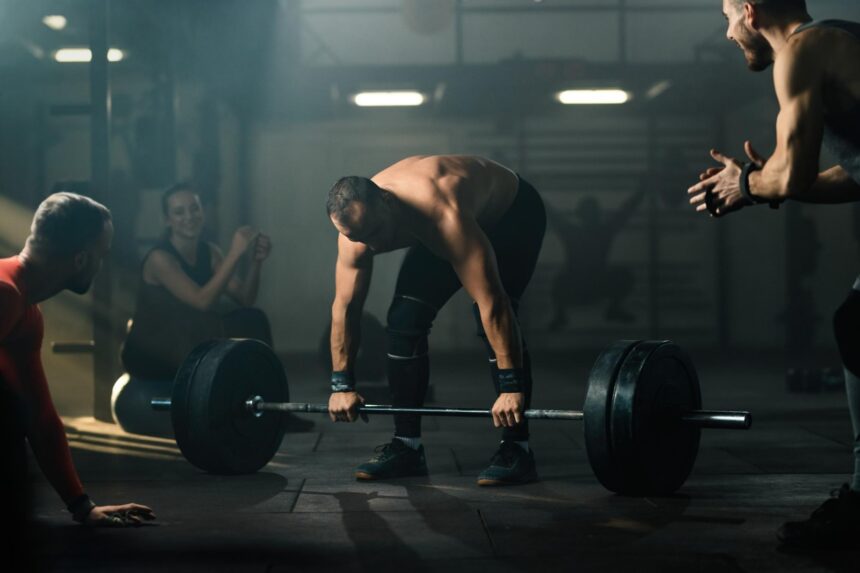
A deadlift is a movement where you lift a weight from the floor to a standing position.
It looks simple, but many muscles work together during the lift.
What the deadlift is
The deadlift is a hip hinge movement.
A hip hinge means bending at the hips while keeping the spine stable.
It is not a squat. The hips move back more than the knees bend.
How it works in real life
Deadlifts train the same pattern you use when:
- Picking up a heavy box from the ground, which requires hip and leg strength.
- Lifting groceries safely, which depends on posture and core stability.
- Standing up with a load, which requires full-body coordination.
The movement teaches your body to generate force from the ground and transfer it upward.
Key terms explained simply
- Posterior chain: The muscles on the back side of your body, including glutes, hamstrings, and back.
- Hip hinge: A movement where the hips bend while the back stays stable.
- Core: The muscles around your abdomen and lower back that stabilize your spine.
Deadlifts train all of these areas together.
Primary muscles worked
- Glutes: These extend your hips and provide the main driving force.
- Hamstrings: These assist hip extension and help control the lowering phase.
- Lower back muscles: These stabilize the spine under load.
Secondary muscles worked
- Quadriceps: These help straighten the knees at the start of the lift.
- Upper back muscles: These hold the shoulders in position.
- Forearms and grip muscles: These hold the bar securely.
- Core muscles: These keep the spine stable throughout the lift.
Quick Takeaway
- Deadlifts are a full-body movement.
- Glutes and hamstrings are the primary drivers.
- The back and core stabilize, not just lift.
Why This Matters: Performance, Safety, and Longevity
Understanding what muscles do deadlifts work helps you train smarter.
- Improves strength transfer: When you use the hips correctly, you produce more power without overloading the lower back.
- Protects the spine: Stable core engagement reduces unnecessary spinal stress.
- Builds balanced strength: Training both the legs and back prevents muscular imbalances.
- Supports long-term lifting: Proper muscle activation allows consistent training without chronic pain.
Quick Takeaway
- Strong hips protect the back.
- Balanced strength reduces injury risk.
- Good technique supports long-term progress.
Exercises That Target the Muscles Deadlifts Work
Conventional Deadlift
What it helps with
This is the standard version and trains total-body strength. It builds powerful hips and strong posterior chain muscles.
What you’ll feel working
You will feel strong engagement in your glutes, hamstrings, and core. Your upper back and grip will work to hold the bar steady.
How to do it
- Stand with feet hip-width apart and the bar over the middle of your feet.
- Bend at your hips and knees to reach the bar.
- Grip the bar just outside your legs.
- Keep your chest lifted and spine stable.
- Push through your feet to stand up while lifting the bar.
- Keep the bar close to your legs as you rise.
- Stand fully upright with hips extended.
- Lower the bar by bending at the hips first, then the knees.
Breathing
Take a breath before lifting and hold it gently as you stand. Breathe out once you are upright.
Common mistakes (with fixes)
- Rounding the lower back: Keep your chest lifted and core braced before lifting.
- Pulling with the arms: Focus on pushing through the legs instead of pulling upward.
- Letting the bar drift forward: Keep it close to your legs throughout the lift.
- Lifting too heavy too soon: Start light and build gradually.
Make it easier
- Use lighter weight to practice form.
- Lift from elevated blocks to shorten the range.
- Perform fewer repetitions with full rest.
Make it harder
- Increase weight gradually over weeks.
- Add slow lowering phases to increase muscle tension.
- Perform controlled repetitions without bouncing.
Best for
Suitable for beginners and experienced lifters. Avoid if severe lower back pain is present.
Romanian Deadlift
What it helps with
This version emphasizes the hamstrings and glutes. It improves hip hinge control.
What you’ll feel working
You will feel a stretch in the hamstrings and strong glute activation during the upward phase.
How to do it
- Stand upright holding a bar or dumbbells.
- Keep knees slightly bent.
- Push your hips backward slowly.
- Lower the weight along your thighs.
- Stop when you feel tension in the hamstrings.
- Keep your spine stable throughout.
- Drive hips forward to return upright.
Breathing
Breathe in while lowering. Breathe out as you stand up.
Common mistakes (with fixes)
- Bending knees too much: Keep only a slight bend to maintain hamstring tension.
- Rounding the back: Keep your chest lifted and core engaged.
- Lowering too far: Stop when flexibility limits are reached.
Make it easier
- Use light dumbbells.
- Shorten the range of motion.
- Perform slow repetitions.
Make it harder
- Increase load gradually.
- Add pauses at the bottom.
- Perform single-leg variations for balance challenge.
Best for
Ideal for building hamstring strength. Avoid if hamstring strain is active.
Trap Bar Deadlift
What it helps with
This version reduces stress on the lower back and increases leg involvement.
What you’ll feel working
You will feel strong quadriceps engagement along with glutes and core.
How to do it
- Step inside the trap bar with feet hip-width apart.
- Bend at hips and knees to grab handles.
- Keep chest lifted and spine stable.
- Push through your feet to stand up.
- Extend hips fully at the top.
- Lower under control back to the floor.
Breathing
Inhale before lifting. Exhale once fully upright.
Common mistakes (with fixes)
- Standing too wide: Keep feet aligned under hips.
- Locking knees too aggressively: Extend smoothly without snapping joints.
- Dropping the weight quickly: Lower under control.
Make it easier
- Use lighter plates.
- Reduce repetitions.
- Practice with partial range lifts.
Make it harder
- Increase load gradually.
- Add tempo control during lowering.
- Perform multiple sets with moderate rest.
Best for
Good for beginners and athletes. Avoid if knee pain worsens.
Quick Takeaway
- Conventional builds total strength.
- Romanian targets hamstrings more.
- Trap bar reduces lower back strain.
Level Guide
Beginner
- Focus on: Learning the hip hinge pattern correctly before increasing weight.
- Avoid: Heavy lifting that compromises form.
- Progress safely: Add small weight increases only when technique stays solid.
Intermediate
- Focus on: Balanced strength between legs and back.
- Avoid: Letting grip strength limit performance too early.
- Progress safely: Use structured sets and rest periods.
Advanced
- Focus on: Efficient force production.
- Avoid: Excessive fatigue that breaks posture.
- Progress safely: Cycle heavy and moderate training weeks.
Quick Takeaway
- Technique first.
- Weight second.
- Consistency always.
Done-for-You Workouts
Home Workout
- Romanian Deadlift (Dumbbells): 3 × 10 reps
- Glute Bridge: 3 × 12 reps
- Rest: 60–90 seconds
This builds posterior chain strength with minimal equipment. Perform 2–3 times weekly.
Gym Workout
- Conventional Deadlift: 4 × 5 reps
- Romanian Deadlift: 3 × 8 reps
- Rest: 2 minutes between sets
This improves both strength and muscle control. Perform 1–2 times per week.
Athletic Strength Workout
- Trap Bar Deadlift: 4 × 6 reps
- Romanian Deadlift: 3 × 8 reps
- Core Stability Exercise: 3 × 30 seconds
- Rest: 90–120 seconds
This supports full-body performance and stability. Perform twice weekly.
Safety & Injury Prevention
Warning signs to stop
- Sharp lower back pain, which may indicate poor positioning.
- Sudden hamstring strain sensation, which requires rest.
- Numbness or tingling, which may signal nerve irritation.
How to modify safely
- Lower the weight immediately if form changes.
- Shorten the range of motion to stay pain-free.
- Increase rest days between sessions.
When to rest or seek help
If pain persists beyond normal muscle soreness or interferes with daily movement, consult a qualified professional.
Common Mistakes & Misconceptions
- Deadlifts are only for the back: This belief happens because back muscles feel tight; the correction is focusing on hip drive.
- Heavier is always better: This happens due to ego lifting; the correction is prioritizing clean repetitions.
- Deadlifts damage the spine: This fear comes from poor examples; proper form strengthens the spine instead.
Mindset & Long-Term Progress
Stay consistent with moderate loads rather than chasing rapid increases.
Track improvements in technique and control, not just weight lifted.
Patience allows connective tissue and muscles to adapt safely.
Next Steps for Stronger Deadlifts
Deadlifts train the glutes, hamstrings, lower back, core, and upper body together.
Understanding what muscles do deadlifts work allows you to lift safely and efficiently.
When performed correctly, deadlifts build strength that carries over into daily life and athletic performance.
Next Steps
- Practice hip hinge drills before heavy lifting.
- Start with moderate weights and focus on form.
- Train twice weekly for steady progress.
If you want a powerful, efficient full-body movement, deadlifts deserve a place in your training plan.
FAQ
Do deadlifts build abs?
Yes, the core stabilizes heavily during each repetition.
Are deadlifts safe for beginners?
Yes, when weight is moderate and technique is correct.
Do deadlifts make your waist thicker?
No, they strengthen core muscles but do not automatically increase waist size.
How often should I deadlift?
One to two sessions per week works well for most people.
Are deadlifts better than squats?
They train different movement patterns; both are valuable.