If you have searched for a Push Pull Legs workout plan, you have probably seen it recommended everywhere.
It is one of the most popular strength training splits for building muscle and improving performance.
But many beginners feel confused.
How many days per week?
What exercises go where?
Is it safe for martial artists?
This guide will break down the Push Pull Legs workout plan in simple terms.
By the end, you will understand how PPL works, how to structure it for your level, and how to apply it safely for long-term strength and performance.
The Basics of a Push Pull Legs Workout Plan
A Push Pull Legs workout plan, often called PPL, divides training into three movement categories.
Instead of training random muscles each day, you organize exercises by movement pattern.
What “Push” Means
Push exercises involve moving weight away from your body.
These train chest, shoulders, and triceps.
Examples include pressing movements like push-ups or bench press.
What “Pull” Means
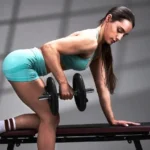
Pull exercises involve bringing weight toward your body.
These train back muscles and biceps.
Examples include rows and pull-ups.
What “Legs” Means
Leg day focuses on lower-body movements.
These train thighs, hips, glutes, and calves.
Examples include squats and lunges.
How It Works in Real Life
You can run a Push Pull Legs workout plan in different ways:
- 3 days per week: One push, one pull, one leg session.
- 6 days per week: Repeat the cycle twice.
- 4–5 days per week: Rotate sessions while allowing rest days.
Key Terms Explained
- Training split: How you divide muscle groups across the week.
- Compound exercise: A movement using multiple joints at once.
- Volume: Total sets and reps performed for a muscle group.
- Recovery: The process where muscles repair and grow stronger.
Quick Takeaway
- PPL divides workouts by movement type.
- Push trains chest and shoulders.
- Pull trains back and arms.
- Legs trains lower body.
Why a Push Pull Legs Workout Plan Matters
This structure is popular for a reason.
- Balanced muscle development: Each movement pattern gets focused attention, which reduces muscular imbalances over time.
- Built-in recovery: While push muscles rest, pull muscles can train, which improves weekly recovery.
- Efficient scheduling: PPL works for 3-day beginners or 6-day advanced lifters.
- Martial arts carryover: Strong pushing, pulling, and leg drive improve grappling, striking, and stability.
- Injury reduction: Organized structure prevents overtraining one muscle group repeatedly.
Quick Takeaway
- PPL supports recovery and structure.
- It improves strength evenly.
- It adapts to different schedules.
- It suits athletes and beginners alike.
Core Exercises in a Push Pull Legs Workout Plan
Below are foundational exercises for each category.
Barbell Bench Press (Push Day)
What it helps with
Builds upper-body pushing strength and chest development.
What you’ll feel working
Chest, shoulders, and triceps pressing the bar upward.
How to do it
- Lie flat on a bench.
- Place feet firmly on the floor.
- Grip bar slightly wider than shoulders.
- Lift bar off rack carefully.
- Lower bar toward chest slowly.
- Pause briefly near chest.
- Press bar upward in control.
- Repeat for planned reps.
Breathing
Inhale lowering the bar and exhale pressing upward.
Common mistakes (with fixes)
- Bouncing bar off chest; lower under control instead.
- Lifting hips off bench; keep feet planted and hips stable.
- Using too much weight; reduce load to maintain form.
Make it easier
- Use lighter weight.
- Perform dumbbell press.
- Reduce range slightly if mobility limits.
Make it harder
- Add extra set.
- Slow the lowering phase.
- Increase weight gradually.
Best for
Beginners to advanced trainees building upper-body pushing strength.
Overhead Shoulder Press (Push Day)
What it helps with
Strengthens shoulders and upper pushing power.
What you’ll feel working
Shoulders and upper arms lifting weight overhead.
How to do it
- Stand with feet shoulder-width apart.
- Hold bar at shoulder height.
- Keep torso upright.
- Press bar overhead slowly.
- Extend arms fully.
- Lower back to shoulder height.
- Repeat steadily.
Breathing
Inhale lowering the weight and exhale pressing up.
Common mistakes (with fixes)
- Leaning backward; keep torso upright.
- Locking elbows harshly; extend smoothly.
- Rushing reps; control both directions.
Make it easier
- Use dumbbells.
- Perform seated.
- Reduce weight.
Make it harder
- Increase reps.
- Add pause at top.
- Increase load carefully.
Best for
Improving shoulder stability for striking and grappling athletes.
Quick Takeaway
- Push day targets chest and shoulders.
- Control improves strength safely.
- Gradual overload builds progress.
Pull-Up (Pull Day)
What it helps with
Builds upper-body pulling strength and back development.
What you’ll feel working
Upper back and arms pulling your body upward.
How to do it
- Grip pull-up bar shoulder-width.
- Hang with arms extended.
- Pull body upward steadily.
- Bring chin near bar height.
- Pause briefly.
- Lower slowly.
- Repeat.
Breathing
Exhale pulling up and inhale lowering down.
Common mistakes (with fixes)
- Swinging body; slow down movement.
- Partial range; lower fully before next rep.
- Using momentum; focus on strict motion.
Make it easier
- Use resistance band assistance.
- Perform negative reps.
- Use assisted machine.
Make it harder
- Add weight belt.
- Slow down descent.
- Increase reps.
Best for
Martial artists needing grip and back strength.
Bent-Over Row (Pull Day)
What it helps with
Improves pulling power and posture strength.
What you’ll feel working
Middle back and arms pulling weight toward torso.
How to do it
- Stand holding bar.
- Bend forward at hips.
- Keep back straight.
- Pull bar toward stomach.
- Pause briefly.
- Lower under control.
- Repeat steadily.
Breathing
Inhale lowering and exhale pulling up.
Common mistakes (with fixes)
- Rounding back; keep spine neutral.
- Jerking weight upward; reduce load.
- Standing too upright; maintain forward angle.
Make it easier
- Use dumbbells.
- Reduce weight.
- Shorten range slightly.
Make it harder
- Add weight gradually.
- Increase reps.
- Slow lowering phase.
Best for
Building strong back muscles for grappling.
Quick Takeaway
- Pull day builds back and arm strength.
- Strict form prevents strain.
- Grip strength improves with pulling work.
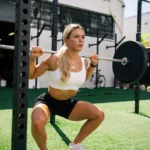
Barbell Squat (Leg Day)
What it helps with
Builds total lower-body strength and power.
What you’ll feel working
Thighs, hips, and glutes driving upward.
How to do it
- Place bar across upper back.
- Stand with feet shoulder-width apart.
- Bend knees slowly.
- Push hips backward.
- Lower until thighs near parallel.
- Keep heels flat.
- Stand up steadily.
- Repeat.
Breathing
Inhale lowering and exhale standing up.
Common mistakes (with fixes)
- Knees collapsing inward; align knees with toes.
- Heels lifting; shift weight slightly back.
- Going too heavy too soon; reduce load.
Make it easier
- Perform bodyweight squats.
- Use lighter weight.
- Limit depth temporarily.
Make it harder
- Add weight gradually.
- Pause at bottom.
- Increase volume.
Best for
Athletes needing leg drive for explosive movement.
Romanian Deadlift (Leg Day)
What it helps with
Strengthens hips and hamstrings.
What you’ll feel working
Back of thighs and glutes controlling the movement.
How to do it
- Stand holding bar.
- Keep knees slightly bent.
- Push hips backward slowly.
- Lower bar along legs.
- Stop when stretch felt in hamstrings.
- Drive hips forward to stand.
- Repeat steadily.
Breathing
Inhale lowering and exhale standing up.
Common mistakes (with fixes)
- Rounding back; maintain straight spine.
- Bending knees too much; keep slight bend only.
- Lowering too far; stop when hamstrings stretch.
Make it easier
- Use dumbbells.
- Reduce weight.
- Shorten range.
Make it harder
- Increase load gradually.
- Add extra set.
- Slow lowering phase.
Best for
Strengthening posterior chain for injury prevention.
Quick Takeaway
- Leg day builds total-body strength.
- Hip strength protects knees and back.
- Control matters more than heavy weight.
Level Guide
Beginner
- Focus on mastering form before increasing weight.
- Avoid training six days per week immediately.
- Progress by adding small weight increases weekly.
Intermediate
- Increase total weekly volume gradually.
- Avoid skipping rest days.
- Progress by adding sets before adding heavy load.
Advanced
- Train six days per week if recovery allows.
- Avoid excessive failure training.
- Progress with structured overload cycles.
Done-for-You Push Pull Legs Workout Plan
Home PPL (3 Days)
- Push: Push-ups 3×12, Pike push-ups 3×10
- Pull: Inverted rows 3×10, Resistance band curls 3×12
- Legs: Bodyweight squats 3×15, Lunges 3×12 each
This is ideal for beginners training three times weekly.
Gym PPL (6 Days)
- Push: Bench press 4×6, Overhead press 3×8
- Pull: Pull-ups 4×6, Rows 3×8
- Legs: Squats 4×6, Romanian deadlift 3×8
Repeat cycle twice weekly with one rest day.
Martial Arts-Focused PPL
- Push: Dumbbell press 3×8, Push-ups 3×12
- Pull: Pull-ups 3×6, Rows 3×8
- Legs: Squats 3×8, Jump squats 3×10
Train three to four days weekly alongside skill practice.
Safety & Injury Prevention
Warning Signs to Stop
- Sharp joint pain during lifts.
- Persistent fatigue beyond normal soreness.
- Dizziness during heavy lifts.
How to Modify Safely
- Reduce weight immediately if form breaks down.
- Increase rest between sets.
- Lower total weekly volume temporarily.
When to Seek Help
Consult a medical professional if pain persists or if you have previous injuries.
Common Mistakes & Misconceptions
- Thinking more days equals faster results, which leads to burnout; prioritize recovery.
- Ignoring leg day because it feels difficult; balanced strength prevents injury.
- Adding weight too quickly due to ego; increase gradually.
- Training to failure every set; leave 1–2 reps in reserve.
Mindset & Long-Term Progress
Stay patient.
Track lifts weekly but avoid obsessing over daily fluctuations.
Strength improves steadily when training is structured and recovery is respected.
Start Your Push Pull Legs Journey
A Push Pull Legs workout plan offers structure, balance, and flexibility for nearly any training level. It supports strength, muscle growth, and athletic performance when applied correctly. Focus on form, progression, and recovery. Consistency builds results.
Next steps:
- Choose a 3-day or 6-day version based on schedule.
- Track your lifts weekly.
- Commit to 8 weeks before changing the program.
Train with discipline and intention.
FAQ
Is PPL good for beginners?
Yes, especially in a 3-day format with moderate volume.
Can I build muscle with PPL?
Yes, when volume and progression are managed properly.
How long should I follow PPL?
At least 8–12 weeks for measurable progress.
Is 6 days per week necessary?
No, 3–4 days can be very effective.
Can martial artists use PPL?
Yes, it supports strength for striking and grappling.
What if I miss a day?
Resume the cycle where you left off without doubling sessions.Should I train to failure?
Not every set; controlled progression works better long term.