
Learning how to start lifting weights safely is one of the most important steps for anyone beginning strength training. Many beginners worry about injuries, using the wrong technique, or lifting weights that are too heavy.
These concerns are normal. Weight training can look complicated at first, especially in a busy gym where experienced lifters move quickly between exercises.
The truth is that lifting weights safely is a skill anyone can learn with simple guidance and consistent practice.
By the end of this guide, you will understand how weight training works, how to perform foundational exercises correctly, and how to build a safe beginner routine that supports long-term strength.
The Basics of Lifting Weights Safely
Weight training means using resistance to challenge muscles. The resistance can come from dumbbells, barbells, machines, resistance bands, or even body weight.
When muscles work against resistance, they adapt by becoming stronger. This process happens gradually as the body responds to repeated training sessions.
Safety comes from learning proper movement patterns before increasing weight.
Key Terms
- Resistance Training
Exercise where muscles work against external resistance such as weights. - Repetition (Rep)
One complete movement of an exercise. - Set
A group of repetitions performed without stopping. - Progressive Overload
Gradually increasing difficulty so the body continues improving.
How Safety Works in Real Life
Safe weight training follows three simple principles:
- Learn the movement before adding heavy weight.
- Increase resistance slowly.
- Allow time for recovery between workouts.
Quick Takeaway
- Weight training strengthens muscles through resistance
- Beginners should learn movements before increasing weight
- Consistency matters more than lifting heavy weights
- Safe progress happens gradually over weeks and months
Why Learning to Lift Safely Matters
Many injuries happen when beginners rush the learning process.
Proper technique protects joints, muscles, and connective tissue while allowing strength to grow steadily.
Key Benefits
- Reduces injury risk
Learning correct technique helps protect joints and muscles from unnecessary strain. - Improves long-term strength
Safe lifting allows consistent training, which leads to steady strength improvements. - Builds confidence in the gym
Understanding proper form removes the fear many beginners feel when starting. - Supports athletic performance
Martial artists and athletes rely on strength training to develop power and stability. - Encourages lifelong training habits
Safe training makes exercise sustainable for many years.
Quick Takeaway
- Proper form protects joints and muscles
- Safe lifting builds confidence for beginners
- Gradual progress supports long-term strength
- Consistency matters more than intensity
Foundational Exercises for Safe Weight Training
These exercises teach the most important movement patterns used in strength training.
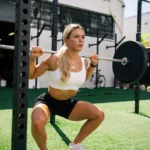
Goblet Squat
What it helps with
The goblet squat strengthens the legs and hips while teaching proper squatting technique.
What you’ll feel working
You will feel the thighs, hips, and glute muscles working as you lower and rise.
How to do it
- Hold a dumbbell close to your chest with both hands.
- Stand with feet slightly wider than shoulder width.
- Keep your chest upright.
- Slowly bend your knees.
- Lower your hips toward the floor.
- Pause briefly near the bottom.
- Push through your feet to stand up.
- Return to the starting position.
Breathing
Inhale as you lower and exhale as you stand back up.
Common mistakes
- Leaning forward too much: Keep the chest upright while lowering.
- Knees collapsing inward: Focus on keeping knees aligned with the toes.
- Dropping too quickly: Lower slowly to maintain control.
Make it easier
- Perform the movement without weight first.
- Reduce squat depth slightly.
Make it harder
- Increase the dumbbell weight gradually.
- Pause longer at the bottom.
Best for
Beginners learning safe lower-body strength training.
Dumbbell Bench Press
What it helps with
This exercise strengthens the chest, shoulders, and arms while teaching safe pressing mechanics.
What you’ll feel working
The chest and arm muscles activate as you push the weights upward.
How to do it
- Lie on a bench holding dumbbells near your chest.
- Plant your feet firmly on the floor.
- Keep wrists aligned with your forearms.
- Press the weights upward.
- Extend the arms without locking the elbows.
- Pause briefly at the top.
- Lower the weights slowly.
- Return to the starting position.
Breathing
Exhale as you press upward and inhale while lowering.
Common mistakes
- Dropping weights quickly: Lower the weights slowly to maintain control.
- Arching the back excessively: Keep the back stable against the bench.
- Using weights that are too heavy: Choose a weight you can control.
Make it easier
- Use lighter dumbbells.
- Perform fewer repetitions.
Make it harder
- Increase weight gradually.
- Slow the lowering phase.
Best for
Beginners building upper-body pushing strength safely.
Quick Takeaway
- Squats train the lower body and hips
- Pressing exercises build chest and arm strength
- Controlled movement prevents injuries
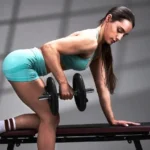
Dumbbell Row
What it helps with
Rows strengthen the upper back and help balance pushing exercises.
What you’ll feel working
Muscles between the shoulder blades will activate as the weight moves upward.
How to do it
- Hold a dumbbell in one hand.
- Place the other hand on a bench or chair.
- Bend slightly forward at the hips.
- Let the weight hang downward.
- Pull the weight toward your torso.
- Pause briefly near the ribs.
- Lower the weight slowly.
- Repeat before switching sides.
Breathing
Exhale as you pull the weight upward and inhale while lowering.
Common mistakes
- Using momentum: Lift slowly using muscle control.
- Rounding the back: Maintain a neutral spine.
- Pulling too high: Stop near the ribcage.
Make it easier
- Use a lighter dumbbell.
- Reduce the number of repetitions.
Make it harder
- Pause longer at the top.
- Perform slower repetitions.
Best for
Improving upper-back strength and posture.
Plank
What it helps with
The plank strengthens the core muscles that support the spine.
What you’ll feel working
The abdominal muscles and shoulders will work to stabilize the body.
How to do it
- Place forearms on the floor.
- Extend legs behind you.
- Keep the body straight.
- Engage the abdominal muscles.
- Hold the position steadily.
- Maintain steady breathing.
- Lower to rest after the hold.
Breathing
Continue slow breathing throughout the hold.
Common mistakes
- Hips sagging: Raise hips slightly to align with shoulders.
- Holding breath: Continue normal breathing.
- Looking forward: Keep the neck neutral.
Make it easier
- Perform the plank from the knees.
- Hold for shorter durations.
Make it harder
- Extend the hold time.
- Lift one foot briefly.
Best for
Building core stability that protects the spine.
Quick Takeaway
- Rows strengthen the upper back
- Core exercises support spinal stability
- Balanced training prevents muscle imbalances
Romanian Deadlift (Dumbbell)
What it helps with
This exercise strengthens the hips and hamstrings while teaching safe lifting mechanics.
What you’ll feel working
You will feel the back of the thighs and hips working as the torso lowers.
How to do it
- Hold dumbbells in front of your thighs.
- Stand upright with feet hip width apart.
- Keep knees slightly bent.
- Slowly hinge forward at the hips.
- Lower the weights along the thighs.
- Stop when you feel tension in the hamstrings.
- Push the hips forward to stand up.
- Return to the starting position.
Breathing
Inhale while lowering and exhale while returning upright.
Common mistakes
- Rounding the back: Keep the spine neutral throughout.
- Bending the knees too much: Maintain only a slight bend.
- Lowering too far: Stop when tension begins.
Make it easier
- Use lighter dumbbells.
- Reduce the range of motion.
Make it harder
- Increase weight gradually.
- Slow the lowering phase.
Best for
Learning safe hip movement for lifting objects.
Overhead Dumbbell Press
What it helps with
This exercise builds shoulder strength and stability.
What you’ll feel working
Shoulders and upper arms work as the weights move overhead.
How to do it
- Hold dumbbells at shoulder level.
- Stand or sit upright.
- Keep the torso stable.
- Press the weights upward.
- Extend arms overhead.
- Pause briefly.
- Lower the weights slowly.
- Repeat.
Breathing
Exhale while pressing upward and inhale while lowering.
Common mistakes
- Arching the back: Keep the torso upright and stable.
- Using excessive weight: Start with lighter weights.
- Moving too quickly: Control the movement.
Make it easier
- Perform seated.
- Use one dumbbell at a time.
Make it harder
- Increase repetitions gradually.
- Slow the lowering phase.
Best for
Building shoulder strength safely.
Quick Takeaway
- Hip hinge movements strengthen the posterior chain
- Shoulder presses build overhead strength
- Balanced exercises train the entire body
Level Guide
Beginner
- Focus on learning technique
Proper movement patterns should come before adding heavier weight. - Train two to three days per week
This allows muscles to recover between sessions. - Use light to moderate resistance
Controlled movements matter more than heavy lifting.
Intermediate
- Increase weight gradually
Small increases in resistance stimulate progress. - Add additional sets
More volume helps continue strength improvements. - Improve exercise control
Slower repetitions increase muscle engagement.
Advanced
- Increase training frequency
More sessions allow greater training volume. - Combine strength and athletic training
Athletes benefit from integrated strength programs. - Monitor recovery carefully
Adequate rest supports continued progress.
Done-for-You Workouts
Home Beginner Routine
- Goblet Squats – 3 sets of 10 reps
- Dumbbell Rows – 3 sets of 10 reps
- Push-Ups – 3 sets of 8 reps
- Plank – 3 sets of 30 seconds
This routine trains major muscle groups using minimal equipment and works well three times per week.
Gym Beginner Routine
- Goblet Squats – 3 sets of 10 reps
- Dumbbell Bench Press – 3 sets of 10 reps
- Dumbbell Rows – 3 sets of 10 reps
- Romanian Deadlifts – 3 sets of 10 reps
This balanced routine develops both upper- and lower-body strength.
Martial Arts Strength Routine
- Goblet Squats – 3 sets of 12 reps
- Romanian Deadlifts – 3 sets of 10 reps
- Push-Ups – 3 sets of 10 reps
- Plank – 3 sets of 40 seconds
This program improves leg strength, core stability, and balance needed for martial arts training.
Safety & Injury Prevention
Warning signs to stop
- Sharp joint pain
Pain often signals that technique or load needs adjustment. - Sudden muscle strain
Stop training if discomfort becomes severe. - Dizziness or unusual fatigue
Rest and recover before continuing.
How to modify safely
- Reduce resistance
Lighter weights allow better technique control. - Slow the movement
Controlled tempo improves safety. - Shorten workouts initially
Beginners benefit from shorter sessions while adapting.
When to seek professional help
If pain persists or worsens over several days, consult a qualified health professional.
Common Mistakes & Misconceptions
- Starting with weights that are too heavy
Beginners often choose heavier loads than they can control, so start lighter and increase gradually. - Skipping warm-ups
Cold muscles are less prepared for resistance, so light movement beforehand reduces injury risk. - Training every day without rest
Muscles grow stronger during recovery periods. - Comparing progress to experienced lifters
Everyone begins at a different level and progresses at a unique pace.
Mindset & Long-Term Progress
Learning how to start lifting weights safely requires patience.
Focus on consistent training rather than rapid progress. Small improvements accumulate over time.
Track workouts, note improvements in strength, and maintain steady routines.
Progress in strength training happens through consistent effort over months and years.
Build Strength With Safe Foundations
Learning how to start lifting weights safely allows beginners to build strength while protecting their bodies from unnecessary injury. Proper technique, gradual progress, and consistent practice create the foundation for long-term success.
Strength training does not require extreme workouts or heavy weights. It begins with simple movements performed correctly and repeated consistently.
Next steps
- Start with a simple full-body routine
Two or three workouts per week build a strong foundation. - Focus on technique before increasing weight
Good movement patterns protect joints and muscles. - Track progress gradually
Recording workouts helps maintain motivation and safe progression.
Consistent, careful training builds strength that supports both daily life and athletic performance.
FAQ
1. How often should beginners lift weights?
Most beginners benefit from two to three strength workouts per week.
2. Should beginners start with heavy weights?
Beginners should start with light to moderate weights that allow proper technique.
3. How long should a beginner workout last?
Most beginner strength workouts last between 30 and 45 minutes.
4. Is soreness normal after lifting weights?
Mild soreness is common when starting a new program, but severe pain should be avoided.
5. Can beginners lift weights at home?
Yes, many effective strength exercises can be done with dumbbells or body weight at home.
6. Do beginners need a personal trainer?
A trainer can help but many beginners can learn safely with clear instruction and proper attention to technique.
7. How long does it take to build strength?
Many beginners notice strength improvements within four to six weeks of consistent training.